

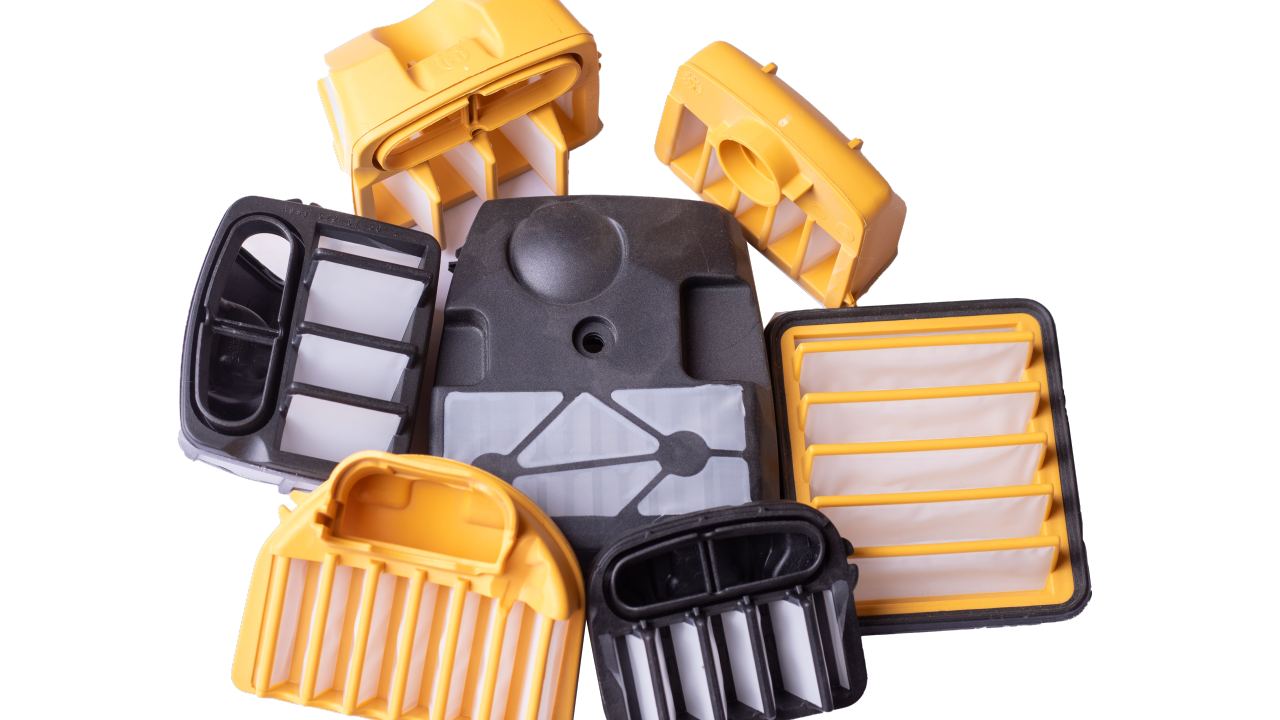
At ESSGE-PLAST, quality is embedded in the manufacturing system from concept development through tooling, process validation, and serial production. Customer requirements are translated into controlled and repeatable processes using preventive quality methods, structured control plans, and data-driven process monitoring.
Quality is not treated as an overhead but as a mechanism to secure process stability and cost efficiency. Reduced process variation improves yield, lowers cost of poor quality, and increases delivery predictability. Although structured quality activities may affect early project cost, they reduce total lifecycle cost by minimizing rework, scrap, corrective actions, and resource inefficiencies.
Quality planning starts at project initiation. Functional requirements and risks are identified early and structured using APQP as the project framework. Design and drawing reviews focus on critical characteristics, tolerance chains, material selection, and manufacturability. To ensure robust industrialization, we advise customers on designing for serial production, providing DFM feedback based on our manufacturing experience, including guidance for 2D drawings and verification.
APQP activities culminate in PPAP approval, demonstrating verified process capability and controlled transition into serial production.
From component manufacturing to retail-ready product
A representative example of high-requirement production is forestry helmets. We manufacture 18 injection-moulded components which, together with sourced parts, are assembled into retail-packaged end products ready for shipment to the end consumer.
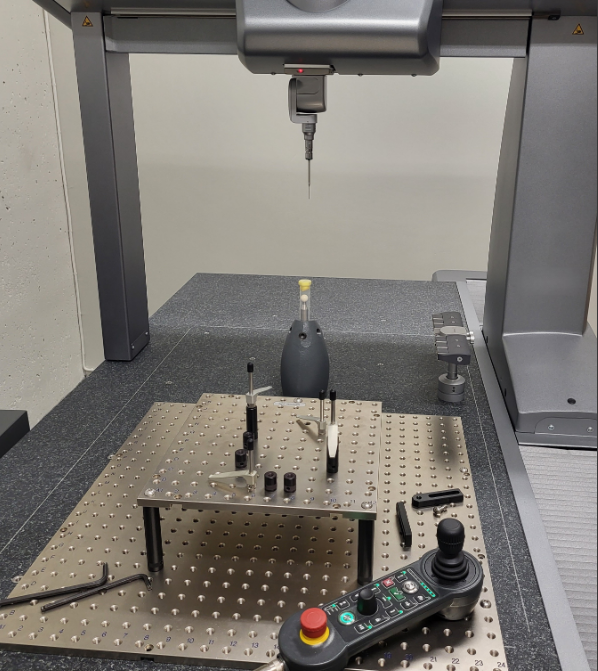
Production control includes calibrated measurement equipment, defined control intervals, and structured surface inspection routines. To comply with UL requirements, in-house test rigs are used for batch-level impact and energy absorption verification. Assembly operations include defined inspection points prior to final packaging to ensure functional and cosmetic conformity.
Tool performance is monitored through preventive maintenance programs and condition-based renovation planning to maintain dimensional stability and surface quality over tool lifetime.
We are certified according to ISO 9001 and ISO 14001. Non-conformities are managed through structured root cause analysis, with corrective and preventive actions implemented to eliminate recurrence and improve process robustness.
Customers rely on our team for technical competence, short decision paths, and rapid response in deviation management; ensuring stable production for applications with demanding functional and regulatory requirements.
Planning a new project? Contact us for a technical review and feasibility assessment.
ESSGE-PLAST AB – Quality team.